
Insurers Reclassify Billions in Related-Party Holdings, Raising Risks
Significant balance sheet restatements across multiple life insurers highlight opaque related-party assets in non-bank finance.
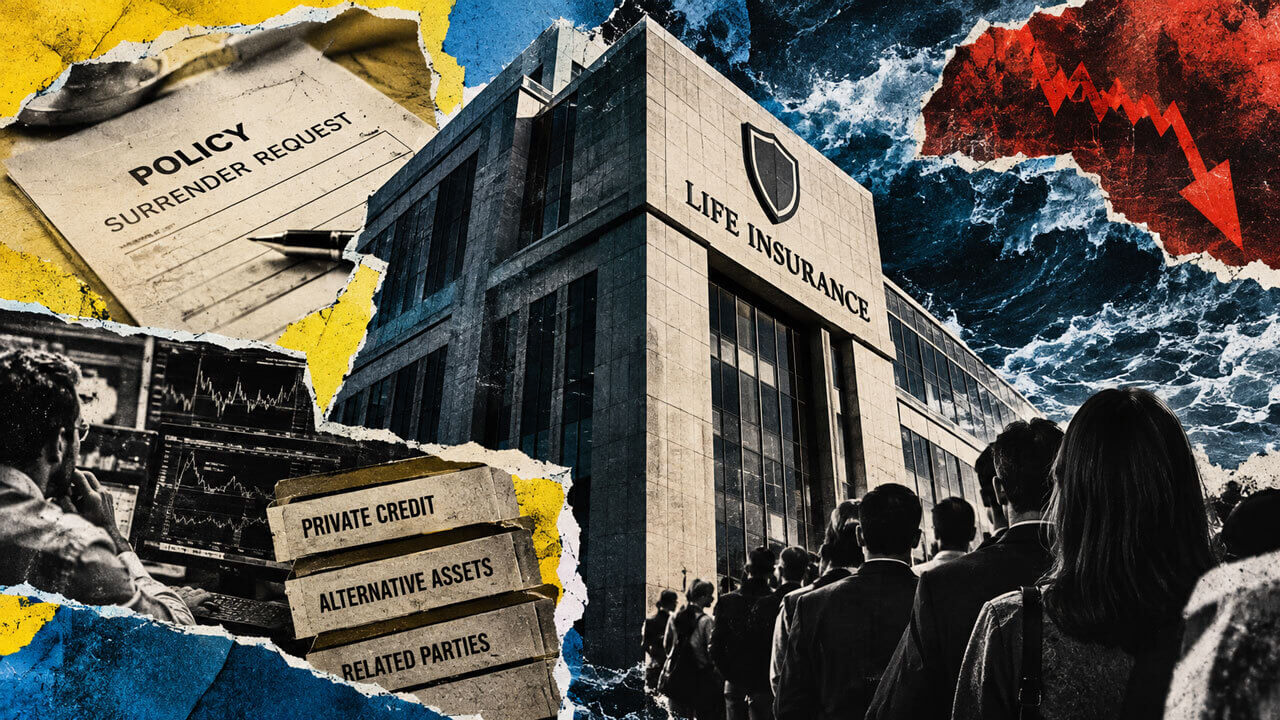
Major life insurance firms, including Delaware Life and Clear Spring, have revised their regulatory filings, moving tens of billions of dollars into related-party investment classifications. Delaware Life updated its disclosures to show roughly $17 billion in connected holdings, accounting for nearly 39% of its invested portfolio.
These extensive accounting updates spotlight growing liquidity and concentration risks within non-bank financial institutions. Analysts fear that opaque inter-company asset allocations could create vulnerabilities during market downturns.
Heightened scrutiny around shadow-banking practices may drive broader financial regulators to impose tighter balance sheet constraints, potentially influencing liquidity across alternative debt and risk assets.
Key takeaways
- Delaware Life reclassified $17 billion as related-party holdings on its balance sheet.
- Multiple insurers published substantial accounting revisions regarding interconnected exposures.
- Shadow-banking concerns could prompt tighter regulatory oversight on institutional liquidity.