
US Life Insurers Flag Heavy Related-Party Asset Exposure in Filings
Revised balance sheet disclosures by major US life insurers reveal billions of dollars in related-party assets, raising shadow-banking concerns.
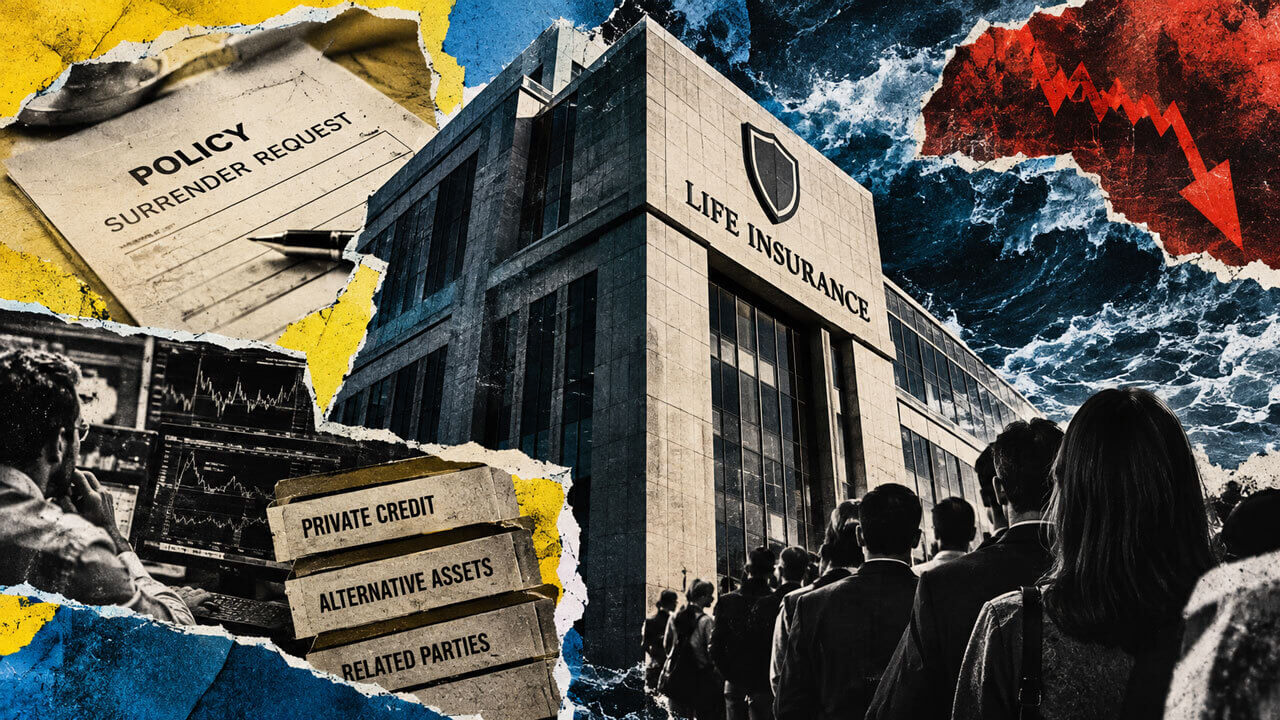
Corrected financial filings from several prominent US life insurance firms have revealed billions of dollars reclassified as related-party assets. Certain firms reported related-party allocations jumping to nearly 40% of their total invested portfolio.
The massive reporting shifts have reignited regulatory scrutiny over shadow-banking practices, asset concentration, and opaque intercompany credit structures. Regulators are monitoring whether these arrangements conceal liquidity and credit risks.
Heightened scrutiny over non-bank financial intermediaries could tighten broader institutional credit conditions, potentially constraining secondary market capital allocation across high-beta risk sectors.
Key takeaways
- Insurers adjust filings to show significant related-party exposure.
- Disclosures raise systemic concerns in private credit and shadow banking.
- Tighter institutional balance sheets could impact market liquidity.