
BIP-110 Proponents Relaunch Bitcoin Fork with Reduced 300 KB Block Size
Developers supporting BIP-110 have revived their minority Bitcoin hard fork, implementing a 300 KB block limit and Blake2b proof-of-work.
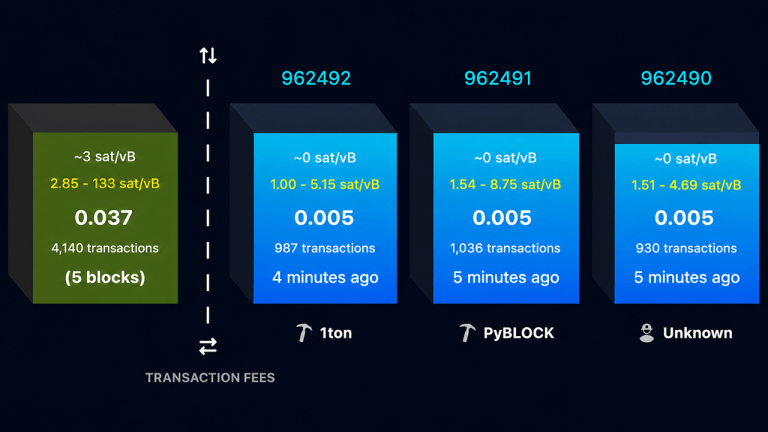
Supporters of the BIP-110 proposal have relaunched their minority hard fork of Bitcoin, successfully mining over 800 blocks following an earlier stall. Developer Luke Dashjr led the implementation, which introduces several radical protocol alterations.
The fork changes the proof-of-work algorithm from SHA-256d to Blake2b and drastically slashes the maximum block size down to 300 KB. Proponents argue this strict cap improves decentralization and node operating costs by keeping ledger growth minimal.
While representing a tiny faction of the overall Bitcoin ecosystem, the restart illustrates persistent philosophical debates regarding block space limits, node requirements, and alternative proof-of-work configurations.
Key takeaways
- BIP-110 supporters revive minority hard fork after initial stall.
- Network shifts consensus to Blake2b and caps blocks at 300 KB.
- Over 800 blocks have been produced on the altered chain.