
Tech History: How the 1989 Disposal of 2,700 Early GUI PCs Shaped Modern Computing
In 1989, thousands of unsold early graphical user interface personal computers were destroyed, preserving the historical legacy of modern desktop architecture.
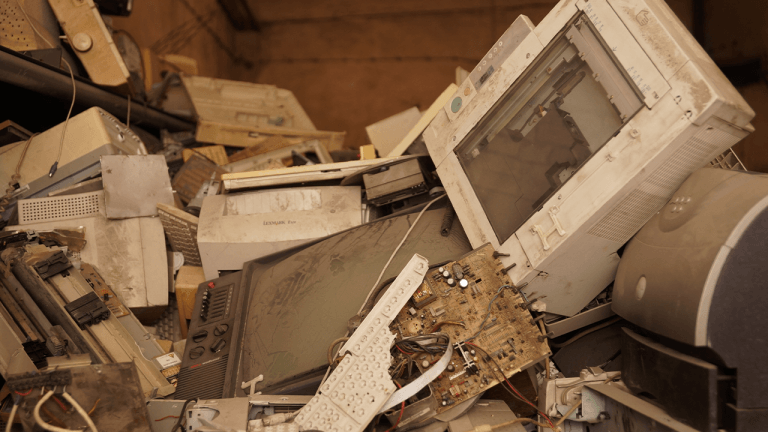
In September 1989, approximately 2,700 unsold early commercial personal computers featuring revolutionary graphical user interfaces were permanently discarded in a Utah landfill. Despite commercial failure at launch due to steep pricing, the underlying system architecture laid the direct groundwork for modern desktop computing.
The historical episode highlights the persistent challenges of commercializing bleeding-edge technological breakthroughs before consumer markets and pricing reach maturity. Today, the few surviving machines from that pioneering era command six-figure valuations among private hardware collectors and computer history museums.
The legacy of early GUI development mirrors recurring adoption dynamics in emerging decentralized technologies and cryptographic hardware. Groundbreaking technological innovation often requires extensive iterative cycles and market restructuring before achieving widespread mass-market penetration.
Key takeaways
- Thousands of early GUI computers were landfilled in 1989 following initial commercial failure.
- The pioneering architecture laid the foundational design for modern personal computing.
- Early tech adoption cycles often precede mass commercial viability by decades.