
The 1989 Computer Disposal That Preserved Rare Tech Collectibles
How the 1989 disposal of 2,700 early GUI computers in a Utah landfill transformed forgotten machines into six-figure historical collectibles.
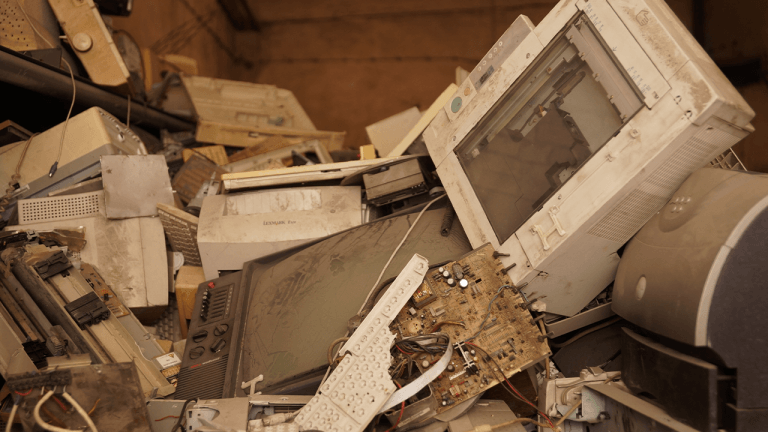
In September 1989, a leading technology company disposed of 2,700 unsold early graphical user interface personal computers in a Utah landfill under armed guard. Initially launched in 1983 at high consumer prices, the machines struggled commercially before their disposal inadvertently turned surviving units into prized artifacts.
This historical event underscores how technological breakthroughs often face early market resistance before fundamentally defining future computing paradigms. The GUI technology first commercialized in those computers eventually established the standard interface for modern desktops and mobile operating systems.
Today, surviving units trade for six-figure sums among collectors, reflecting how early, misunderstood technological innovations can acquire immense historical and financial value over time.
Key takeaways
- In 1989, 2,700 early GUI computers were buried in Utah after commercial failure.
- Scarcity caused by the mass disposal turned remaining units into valuable collector items.
- The historical case illustrates how transformative technologies can initially face rejection.